
Precision You Can Trust
NABL-Accredited Calibration | Available on Request
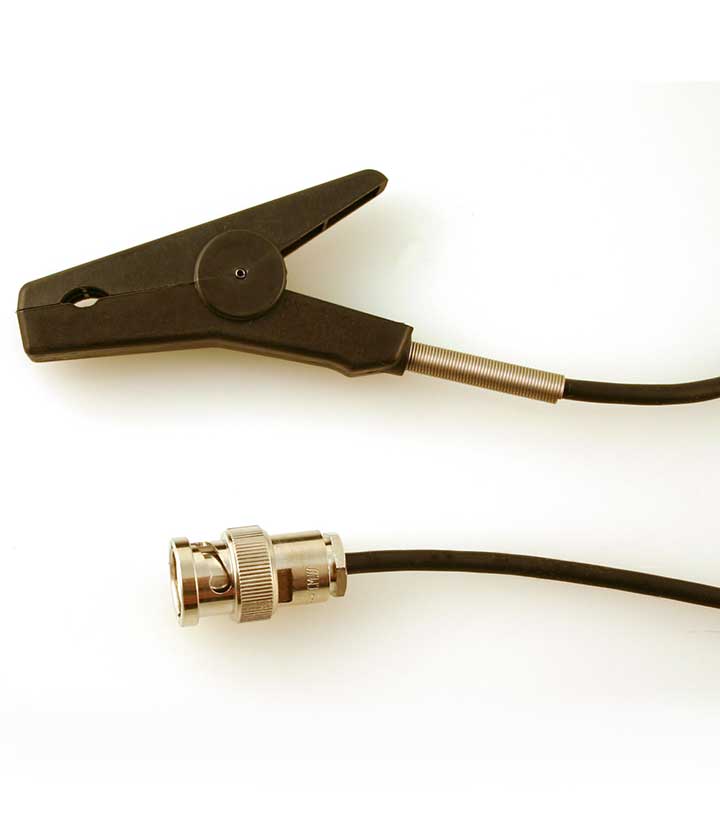
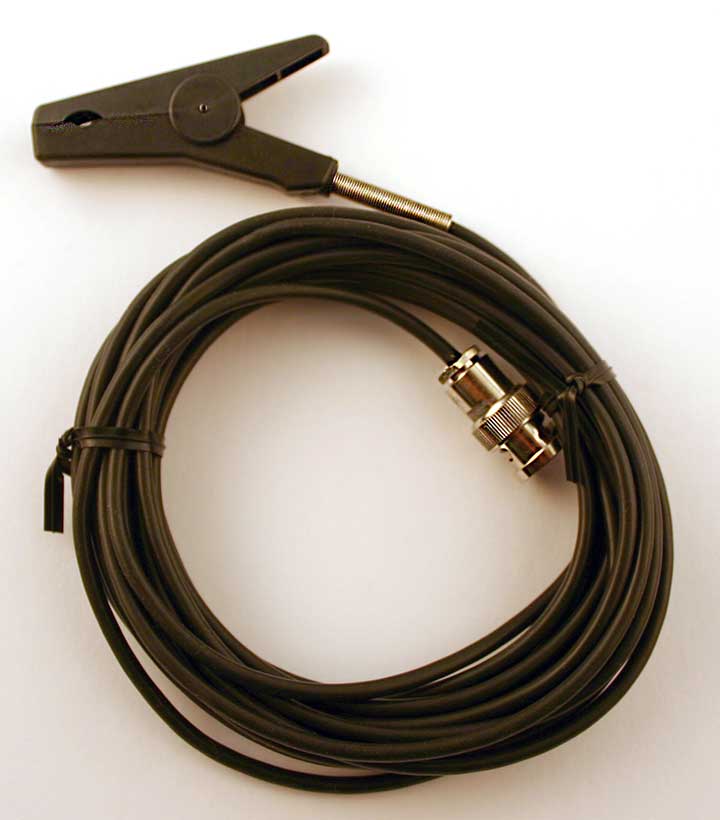
The IP-3100 is a high-sensitivity clamp-on ignition pulse detector that accurately captures both low- and high-voltage ignition signals from gasoline engines. Its robust, heat-resistant build and extended cable make it ideal for fast, non-contact RPM measurements in automotive diagnostics and performance testing..
The IP-3100 simplifies RPM measurement by using a clamp-on sensor that eliminates the need for intrusive connections or wiring changes. Its high sensitivity ensures reliable signal capture from various ignition sources, including coil primary and secondary cables. The long, heat-resistant cable allows versatile positioning of connected measurement devices, while its compact design makes it suitable for use in tight engine compartments. Ideal for mechanics, engineers, and technicians, the IP-3100 provides quick, accurate, and repeatable engine speed detection for 2-cycle and 4-cycle gasoline engines.
One-Clip Detection – Measures ignition pulses from coil primary, spark plug secondary, or distributor cables with a single device.
High Sensitivity – Enhanced detection capability for accurate readings even under challenging engine conditions.
Wide Cable Compatibility – Accommodates ignition cables up to 10 mm in diameter.
Durable, Heat-Resistant Design – Maintains stable performance in environments from –40 °C to +120 °C.
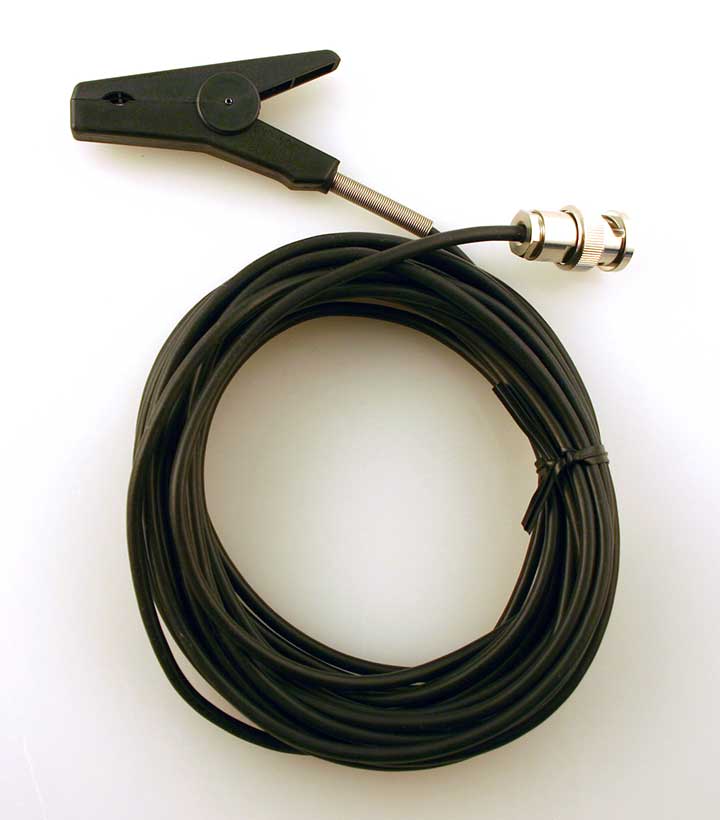
Extended Cable Length – Supplied with a 4.9-meter heat-resistant signal cable for flexible placement of tachometers or analyzers.
| Specification | Details |
|---|---|
| Detection Method | Clamp-on detection from coil or spark plug cables |
| Compatible Sparks | Coil primary (low voltage), spark plug/distributor (high voltage) |
| Engine Types | 2-cycle and 4-cycle gasoline engines |
| Max Cable Diameter | 10 mm |
| Cable Length | Approx. 4.9 meters, heat-resistant |
| Operating Temperature | –40 °C to +120 °C |
| Design | Compact, lightweight clip-on form |
| Ideal Use | Portable tachometer connection, engine diagnostics, and field testing |